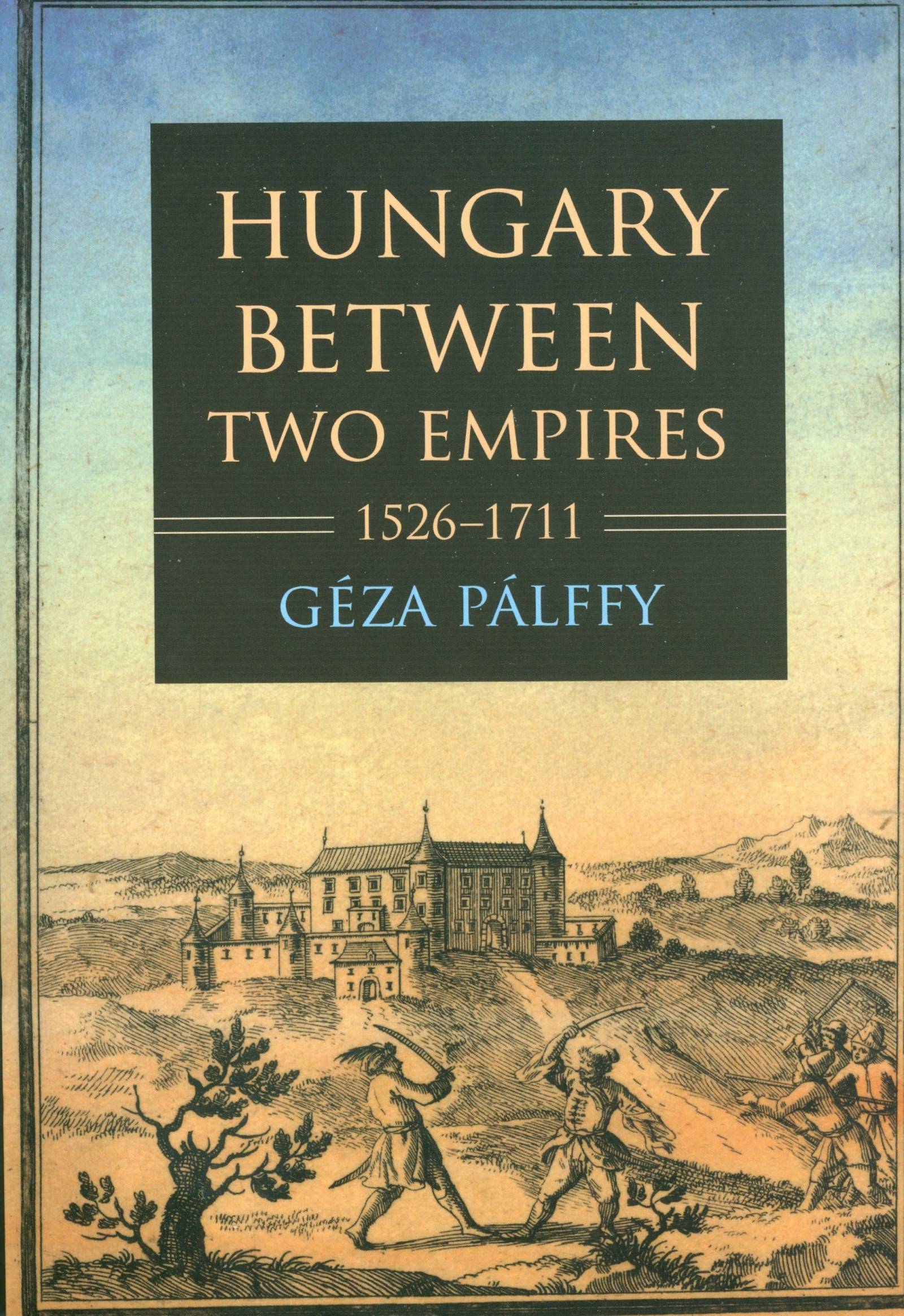
Hungary betwen Two Empires
(1526 - 1711)

Pálffy Géza

Vydavateľstvo

Indiana University Press

Jazyk

angličtina

Počet strán

286

Rok vydania

2021

Hmotnosť

717,00g

Formát

175x255

Väzba

Mäkká väzba

Dodávateľ

HISTÓRIA

EAN

9780253054654

Publikácia pokrýva dve storočia histórie Uhorska, ktoré zdrvujúca porážka v bitke pri Moháči v roku 1526 rozdelila na tri časti. Nadväzuje na monografiu Pála Engela ...(2005) The Realm of St. Stephen: A History of Medieval Hungary, 895–1526. Čitateľa na ďalšie štúdium nabáda výberová bibliografia obsahujúca približne 470 položiek – monografií a súborných štúdií.

Čítať viac...
40,00€
Pridať do košíka logo
skladom

Mohlo by vás zaujímať

Geschichte der Deutschen in Ungarn

Geschichte der Deutschen in Ungarn

Das zweibändige Handbuch fasst die Geschichte der Deutschen in Ungarn vom Mittelalter bis heute zusammen. Zeitlich wird die von West nach Ost verlaufene Siedlungsmigration von ihren Anfängen unter König Stephan I. bis zu ihrem Höhepunkt im 18. Jahrhundert behandelt und die Geschichte der in Ungarn ansässig gewordenen einzelnen deutschen Siedlergruppen bis zur Auflösung des historischen Ungarns 1918 näher untersucht. Von 1918 bis zur Gegenwart, das heißt bis zu den Parlaments- und Kommunalwahlen 2006, steht die Geschichte der Ungarndeutschen im Mittelpunkt. Die Darstellung sucht ein Narrativ der Gruppengeschichte der Deutschen in Ungarn zu entwickeln, das sowohl die interethnischen Beziehungen zu den Magyaren als auch die Verflechtung mit anderen Minderheiten berücksichtigt und somit eine multiethnische Perspektive einnimmt. Am Beispiel der Deutschen wird die Geschichte des Zusammenlebens sprachlich, ethnisch oder religiös unterschiedlicher Gruppen im historischen Kontext, in Zeit und Raum verdeutlicht. Gruppen wie die Deutschen in Ungarn benötigen ihre eigene Geschichtsschreibung. Dieses historische Narrativ formuliert ein Identitätsangebot durch die reflektierte und selbstkritische Aufarbeitung ihrer Vergangenheit. Die Darstellung auch umstrittener Geschichtsperioden wie beispielsweise der NS-Zeit oder der Vertreibung soll vor diesem Hintergrund zur Überwindung von Traumata und Tabuisierungen beitragen. Es geht hier um eine transnationale, auf die Prozesse der gesamteuropäischen Geschichte hin geöffnete Geschichtsschreibung, die eine Einordnung der Gruppengeschichte in größere historische Zusammenhänge gewährleistet und die Besonderheiten der Gruppe herausstellt. Táto dvojzväzková príručka zhŕňa dejiny Nemcov v Maďarsku od stredoveku až po súčasnosť. Časovo sleduje postupnú migráciu osídľovania zo západu na východ od jej začiatkov za kráľa Štefana I. až po vrchol v 18. storočí a podrobnejšie skúma dejiny jednotlivých skupín nemeckých osadníkov, ktorí sa usadili v Maďarsku, až do zániku historického Uhorska v roku 1918. Od roku 1918 až po súčasnosť, teda až po parlamentné a komunálne voľby v roku 2006, stojí v centre pozornosti história maďarských Nemcov. Výklad sa usiluje vytvoriť naratív skupinových dejín Nemcov v Maďarsku, ktorý zohľadňuje nielen medzi-etnické vzťahy s Maďarmi, ale aj prepojenie s inými menšinami, a tým prijíma viac-etnickú perspektívu. Na príklade Nemcov sa tak ozrejmuje dejinný kontext spolunažívania jazykovo, etnicky alebo nábožensky rozličných skupín v čase a priestore. Skupiny ako Nemci v Maďarsku potrebujú vlastné dejepisectvo. Takto vytvorený historický naratív formuluje ponuku identity prostredníctvom reflektovaného a sebakritického spracovania ich minulosti. Výklad aj sporných dejinných období, ako napríklad obdobia národného socializmu alebo vyhnania, má z tohto hľadiska prispieť k prekonaniu tráum a tabuizácií. Ide tu o transnacionálne dejepisectvo, otvorené procesom celoeurópskych dejín, ktoré zabezpečuje začlenenie dejín skupiny do širších historických súvislostí a zároveň zdôrazňuje jej osobitosti.

Obsah

List of Figures
List of Maps
List of Tables

Acknowledgments
Note on Terms and Names
List of Abbreviations

Political and Military Chronology, 1526–1711


Hungary after Mohács: A Century of Direction Seeking, 1526–1606

  • On the Frontier of Two Empires
  • Roads from Istanbul to Vienna: The Ottomans in Hungary
  • The Bumpy Road to Vienna: The Habsburgs and the Hungarians
  • The Road to Istanbul: The State of King John Szapolyai and His Son
  • On a Narrow Path: The Principality of Transylvania
  • Society Finds Its Way
  • The Economy and Its Roads to Europe
  • The Search for a New Home: Ethnic and Demographic Changes
  • Finding Faith: Hungary's New Religion
  • Seeking a Language: A Cultural Golden Age
  • Looking in Vain for a Way Out: The Long Turkish War, 1591–1606


Decay and Rejuvenation: The Janus-Faced Seventeenth Century, 1606–1711

  • Peace or Civil War on the Border of the Two Empires?
  • New Ottoman Campaigns to Achieve an Old Goal
  • The Rise of the Hungarian Estates and the Break with Vienna
  • Transylvania Flourishes, Then Decays
  • Militarization and Self-Administration: Changes in Society
  • Economic Decline and Reorganization
  • Hungarian Populations Fall—Other Ethnic Groups Rise
  • The Revival of Catholicism—A Prolonged War of Religion
  • Half a Century of Cultural Progress—Half a Century of Military Crisis
  • A Country Liberated but Ravaged: The Long Turkish War, 1683–1699
  • Independence Movement and Civil War: The Rákóczi Uprising, 1703–1711


Glossary
List of Rulers and Highest Dignitaries
Select Bibliography (Monographs and Collected Studies)
Names and Nationalities Index
Place Index